
Category: Bioinformatics Data Analytics
-
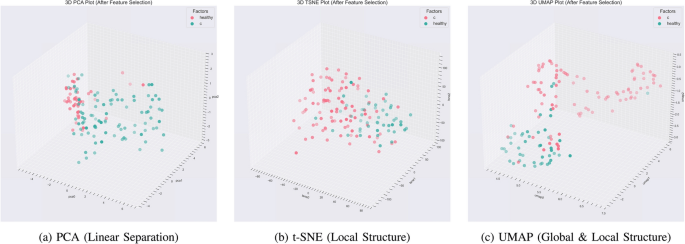
Ensemble Feature Selection for Robust Multi-Omics Biomarker Discovery
Ensemble Feature Selection for Robust Multi-Omics Biomarker Discovery A Systems-Level Approach to Biomarker Discovery Abstract Biomarker discovery often suffers from instability — different feature selection algorithms produce different gene lists, reducing reproducibility and clinical trust. This project addressed that challenge by designing and implementing a comprehensive ensemble feature selection framework that integrates multiple ranking strategies…
-
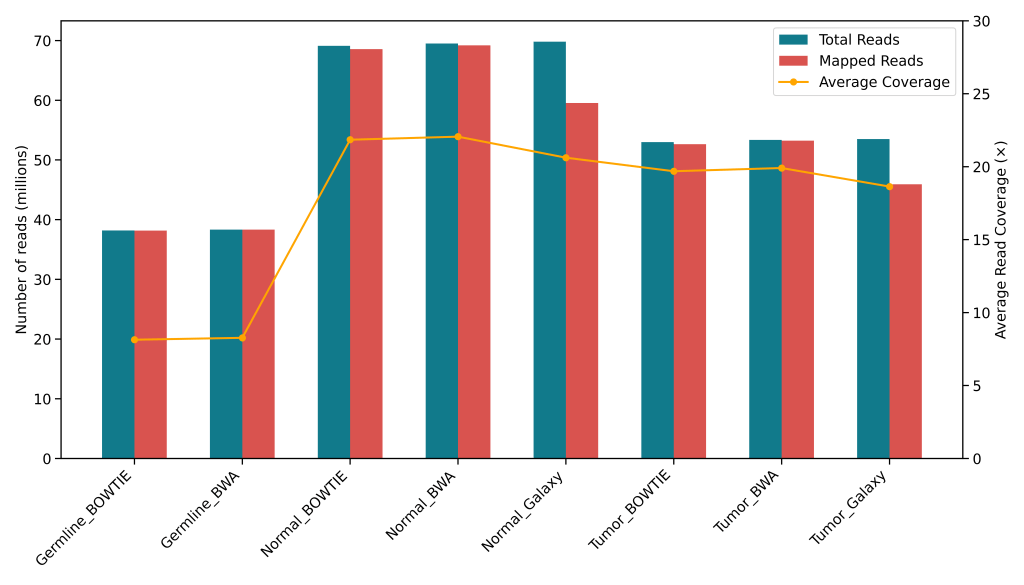
Benchmarking Germline and Somatic Variant Calling Pipelines Using CoSAP and Galaxy
Benchmarking Germline and Somatic Variant Calling Pipelines Using CoSAP and Galaxy A Comparative Study with 9 Pipelines on Real Exome Data Abstract This project evaluated nine variant calling pipelines using whole exome sequencing (WES) data. It involved combinations of two mappers (BWA, Bowtie2) and four variant callers (DeepVariant, HaplotypeCaller, Strelka, SomaticSniper) across both germline and…
-
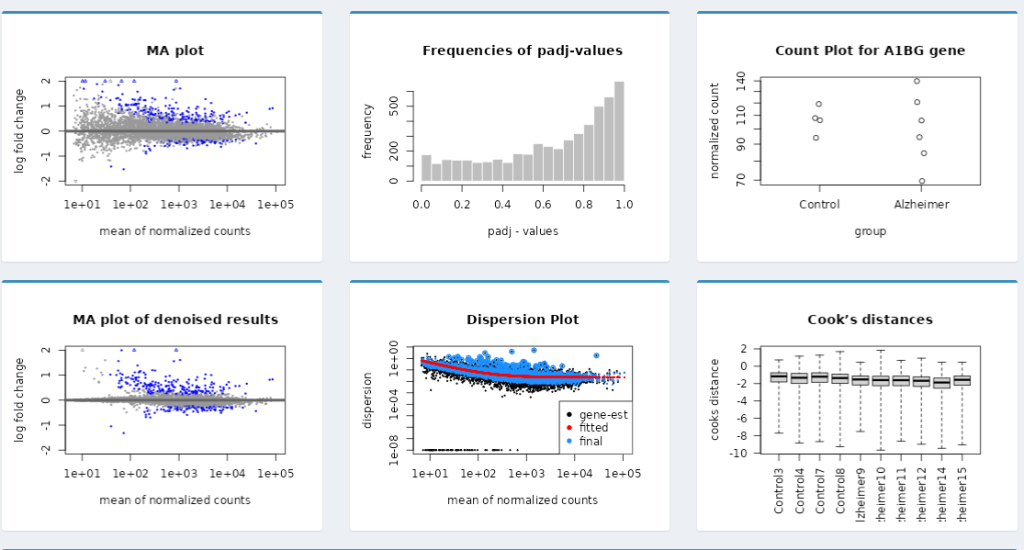
Dynamic Shiny Dashboard for the Visualization of DESeq2 Results
The project developed an interactive Dynamic Shiny Dashboard to visualize DESeq2 differential expression results, allowing users to explore data without R programming skills. It features various visualizations such as volcano plots and heatmaps, facilitating effective communication of results while supporting collaborative efforts in bioinformatics. The project lasted two weeks.
-
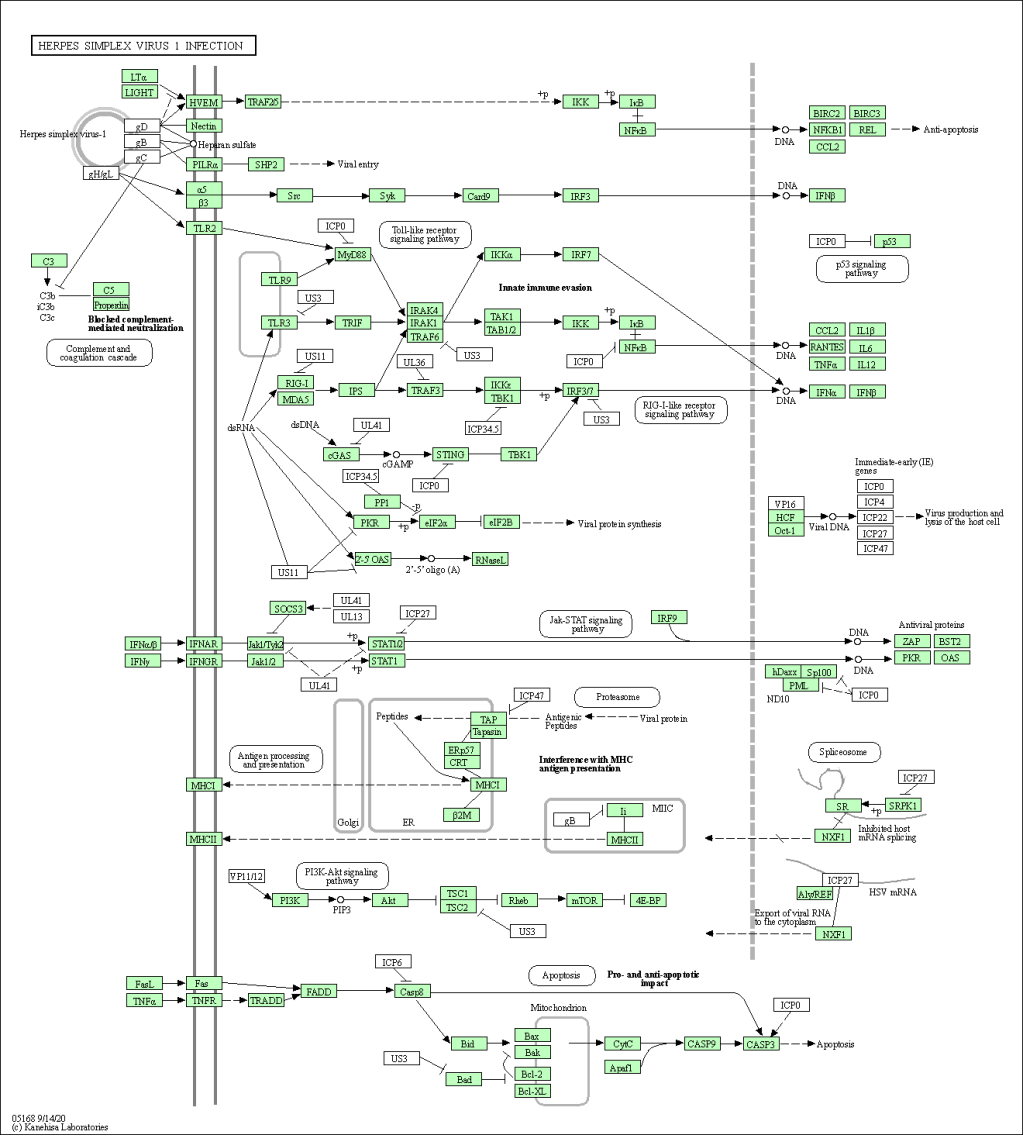
Gene Set Enrichment and KEGG Pathway Analysis Using ClusterProfiler
The project utilized KEGG-based gene set enrichment analysis from DESeq2 results to visualize biological pathway alterations in Alzheimer’s disease. Using R and ClusterProfiler, enriched pathways were identified and visualized, revealing significant immune and neurodegenerative responses. The findings could inform future research and biomarker discovery in Alzheimer’s.
-
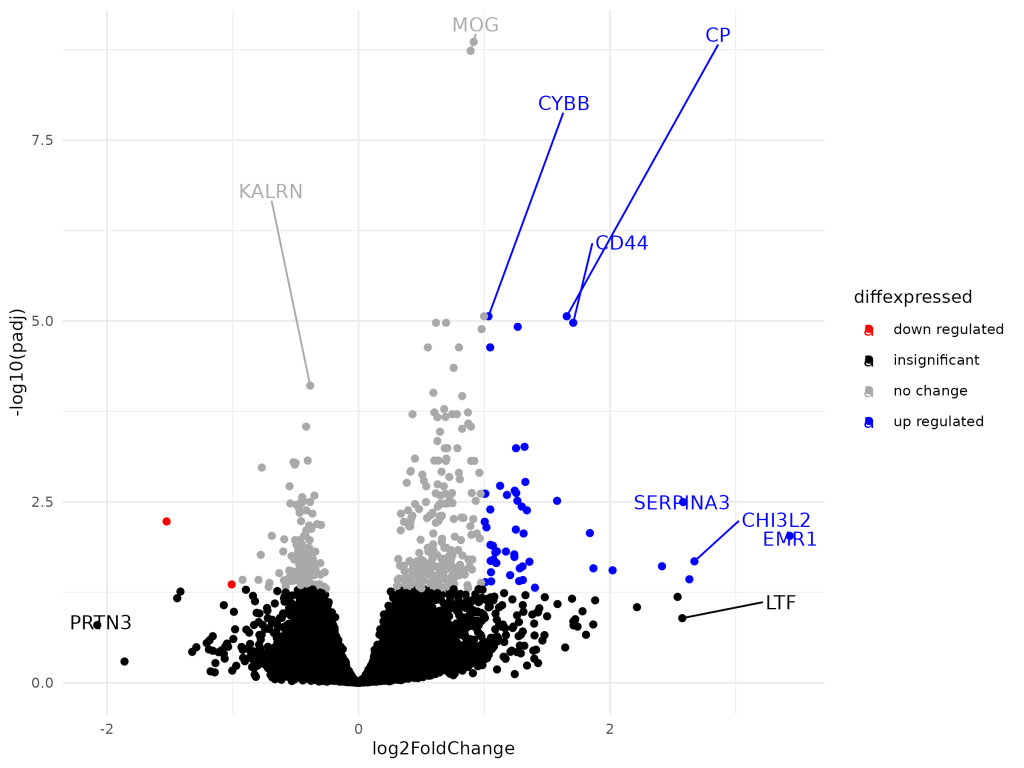
Differential Gene Expression Analysis in Alzheimer’s Disease
This project conducts differential gene expression analysis on Alzheimer’s disease using RNA-Seq data from the GSE53697 dataset, identifying differentially expressed genes (DEGs) via DESeq2 in R. It emphasizes preprocessing, outlier removal, and visualization through a Shiny app, facilitating interactive exploration of results, enhancing understanding of gene expression changes.
-
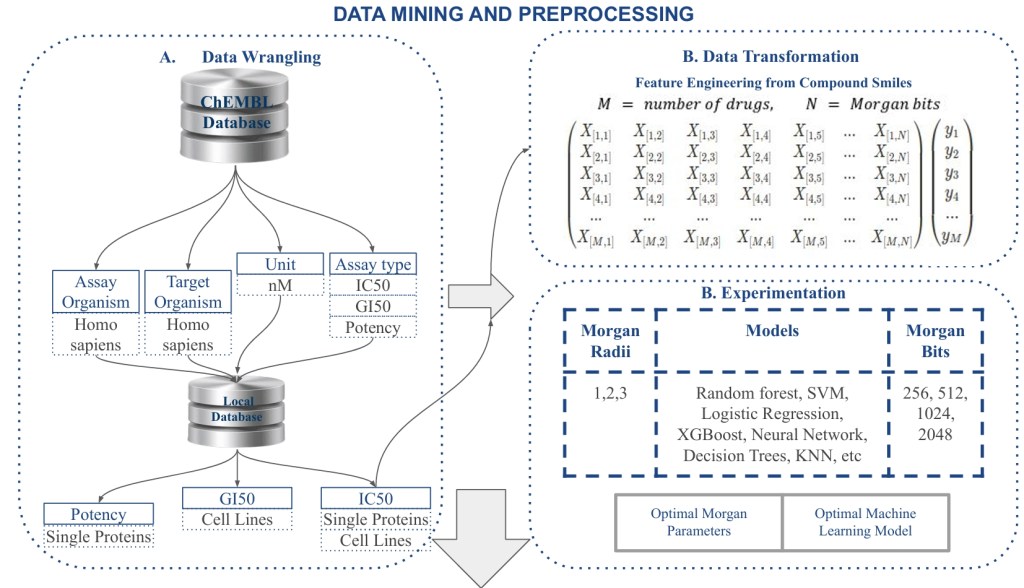
BIOPRED: A Machine Learning-Based Web Application for Accurate Bioactivity Prediction, Drug Repurposing, and Molecular Docking
BIOPRED is a machine learning-driven web application developed for predicting drug-target interactions and supporting molecular docking. Utilizing ChEMBL data, it employs various algorithms for both regression and classification tasks with high accuracy. The user-friendly platform enables researchers to input SMILES strings and get bioactivity predictions, facilitating drug repurposing efforts.
 Your Bioinformatics Developer